Is Non-Invasive Fat Removal Right for You? Here's What to Know
It's everyone's experience — eating right, exercising, doing everything "right" — and still looking at that one stubborn fat spot that refuses to go away. It may be around your tummy, on your inner thighs, or under your chin. You can work as much as you want, but it remains the same.
If you've encountered this before, you're not the first. At some time, you may have wondered if there was any way to get rid of fat without going through the hassles of an invasive procedure.
The good news? It might be. However, it is essential to know what it is, how to use it, and if it is going to be right for your body and goals before booking it.
What Is Non-Invasive Fat Removal?
Non-invasive fat removal is the term used for various cosmetic procedures that are performed to remove fat without any needles, surgery, or downtime from the procedure.

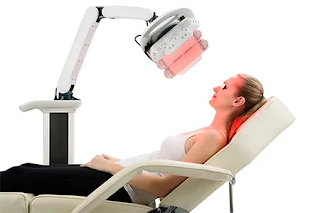
As opposed to liposuction, which actually removes fat with surgery, the non-invasive treatments act upon the fat cells under the skin through various energies, such as cold, heat, laser, ultrasound, or radiofrequency.
Your body then automatically expels those damaged fat cells after a few weeks. The result? A more natural, rounded look in the treated area.
The most popular non-invasive fat reduction therapies include:
• Cryolipolysis (fat freezing) — uses controlled cooling to freeze and destroy fat cells
• Laser lipolysis — uses laser energy to heat and break down fat
• Radiofrequency (RF) treatments — deliver heat deep into fat tissue to reduce volume
• High-Intensity Focused Ultrasound (HIFU) — uses ultrasound waves to target fat at specific depths
• Muscle stimulation devices (like EMSCULPT) — tone and reduce fat simultaneously
Each works a little differently, but the goal is the same — less fat, more contour, no scalpel.
Who Is It Actually For?
he reality is that non-invasive fat removal is not a weight loss option. It's a body contouring treatment.
The perfect person is a person who is already at or near their healthy weight, but who has some fat "hot spots" that are hard to lose with diet and exercise. It's like a finishing product, something to improve, to shape and mold, not change completely.
You might be a good candidate if:
• You're within roughly 10–15kg of your goal weight
• You have pinchable, localised fat in specific areas (abdomen, flanks, thighs, arms, chin)
• You have realistic expectations — gradual improvement, not overnight transformation
• You prefer to avoid surgery and the recovery that comes with it
• You're generally healthy with no underlying conditions that affect fat metabolism
On the other hand, it's not ideal if you're seeking rapid fat loss results in a few days or big fat loss results.
What Results Can You Realistically Expect?
That's where a lot of people get caught — at least let's be honest about it.
Non-invasive fat removal will result in slower fat loss over time. The first time the body processes and eliminates the treated fat cells, most people begin to feel the results at about 4 to 12 weeks after the treatment. Treatment may need to be repeated several times to get results.
The outcome may be truly amazing for the appropriate individual. Research has been conducted that has demonstrated that over time, there may be a 20-25% loss of fat in the treated area. This is good and visible, but it is not a loss of 10 kilos.
The benefits for many are that they are long-lasting. After fat cells are eliminated, they will never regenerate. If you do gain weight after treatment, however, fat cells that weren't removed can still grow, which is why it's important to keep your weight at a healthy level and maintain your results.
Is It Safe?
Yes, in general, if it is performed by a qualified and experienced practitioner, non-invasive fat removal treatments have a relatively high degree of safety.
There are no risks from anaesthetic, infection, or scarring because it involves no surgery. The side effects for most people are short-lived and mild, and include redness, swelling, numbness, or slight tenderness of the treated area, which will fade in just a few days or weeks.
That being said, not all treatments are created equal, and not all clinics are created equal. Always make sure you are getting it treated by a fully trained individual with clinically approved technology. No consultation beforehand is an unacceptable compromise — a competent practitioner will evaluate and let you know if you are suitable, straightforwardly discuss the procedure, and give you realistic expectations.
What About Downtime?
The least disruptive aspect of non-invasive fat removal is the relatively little impact on your lifestyle. The majority of treatments can be done while you're still walking out of the clinic and back to work or your kids or to run errands.
For many treatments, there is no recovery period, and it is not really uncomfortable to exercise for a day or two after treatment.
Questions to Ask Before You Commit
It is important to have a candid discussion with your provider before you make your first appointment. Here are some helpful questions to pose:
• Am I a suitable candidate based on my body type and health history?
• Which treatment technology do you use, and why is it right for my concern?
• How many sessions will I need, and how far apart?
• What results can I realistically expect, and in what timeframe?
• Are there any risks or contraindications I should be aware of?
These inquiries will be answered by a trusted clinic with a clear and honest response, not just what you want to hear.
Final Thoughts
Non-invasive fat removal is not a magic bullet for fat, nor is it an alternative to good health. However, it can be very effective for people when they're at a healthy weight and have hard-to-lose fat in one area of their body.
When considering this treatment, it's best to consult with a professional at a qualified skin and body clinic to see if it's the best approach for you.
At Allure Laser and Skin Studio, the team is honest and personalized, and helps you to understand your options, set realistic expectations, and choose a treatment plan that makes sense for your body and your goals. At the end of the day, the right treatment is the one that's right for you.


Comments
Post a Comment